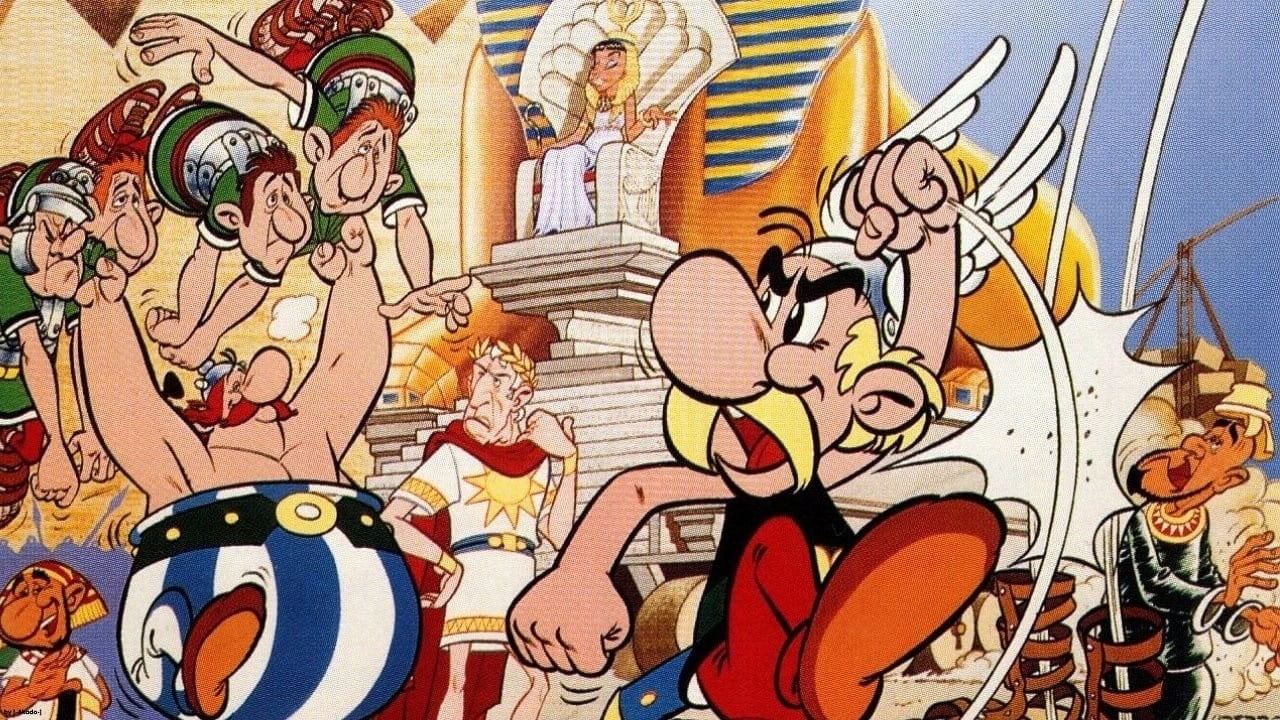
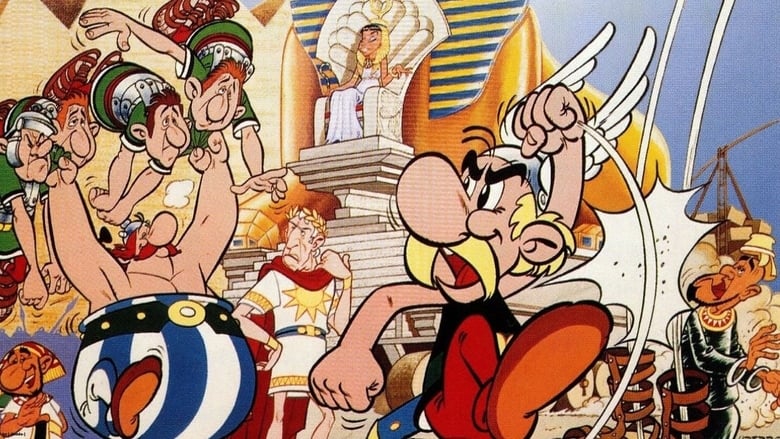
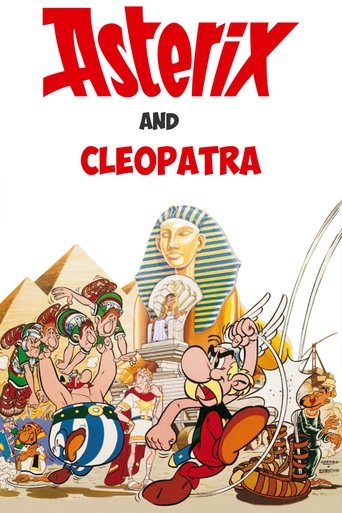
Popular animated hero Asterix and his faithful sidekick Obelix travel to ancient Egypt to help Cleopatra build a new summer home. Cleopatra and Julius Caesar have made a bet, with Caesar wagering the project cannot be completed in a few weeks time. With the help of a magic potion, Asterix comes to the rescue of the Queen of the Nile as Caesar and an angry architect plot against them.
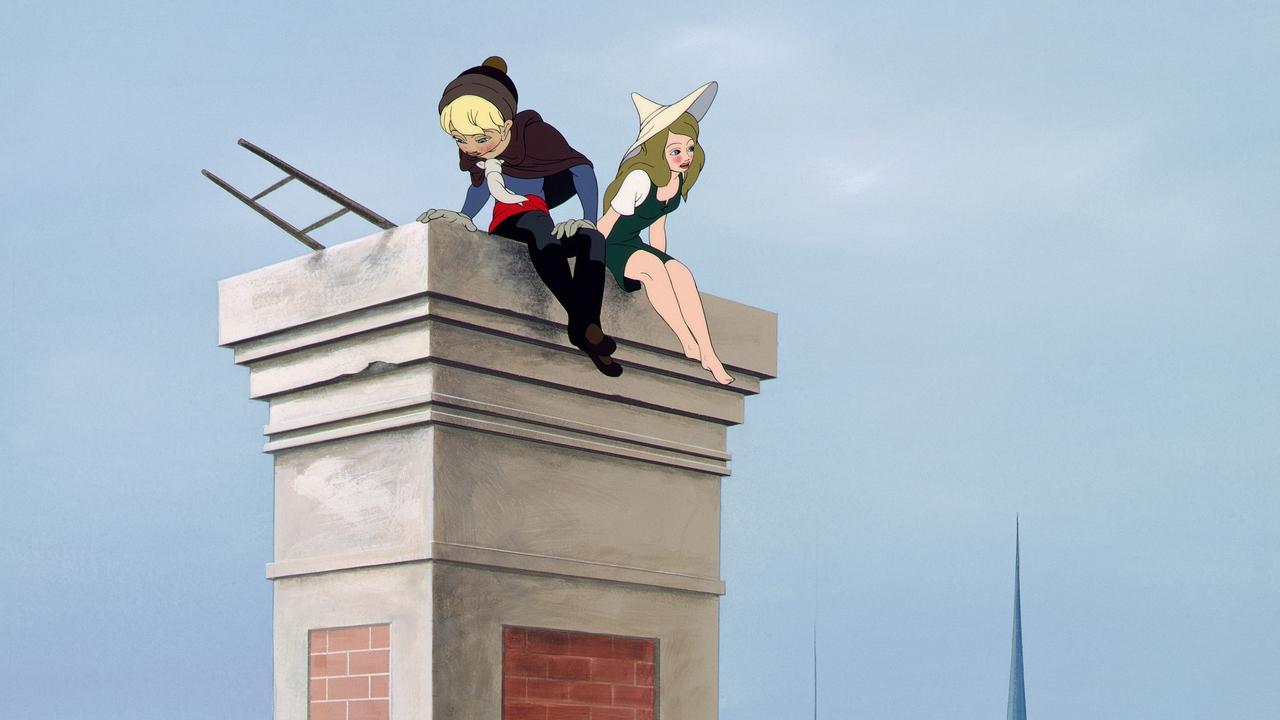
A young shepherdess and a chimneysweep plan to get married and escape the clutches of a tyrannical king in love with her, assisted by the guile of a cheeky mockingbird, the king's archenemy.
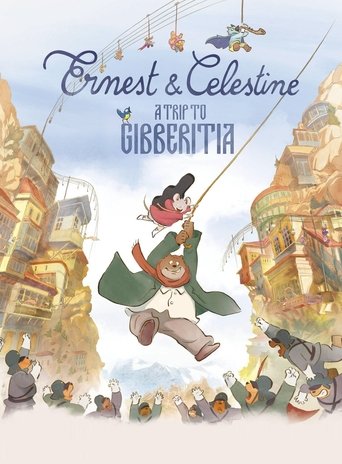
Ernest and Celestine are travelling back to Ernest's country, Gibberitia, to fix his broken violin. This exotic land is home to the best musicians on earth and music constantly fills the air with joy. However, upon arriving, our two heroes discover that all forms of music have been banned for many years - and for them, a life without music is unthinkable. Along with their friends and a mysterious masked outlaw, Ernest and Celestine must try their best to bring music and happiness back to the land of bears.
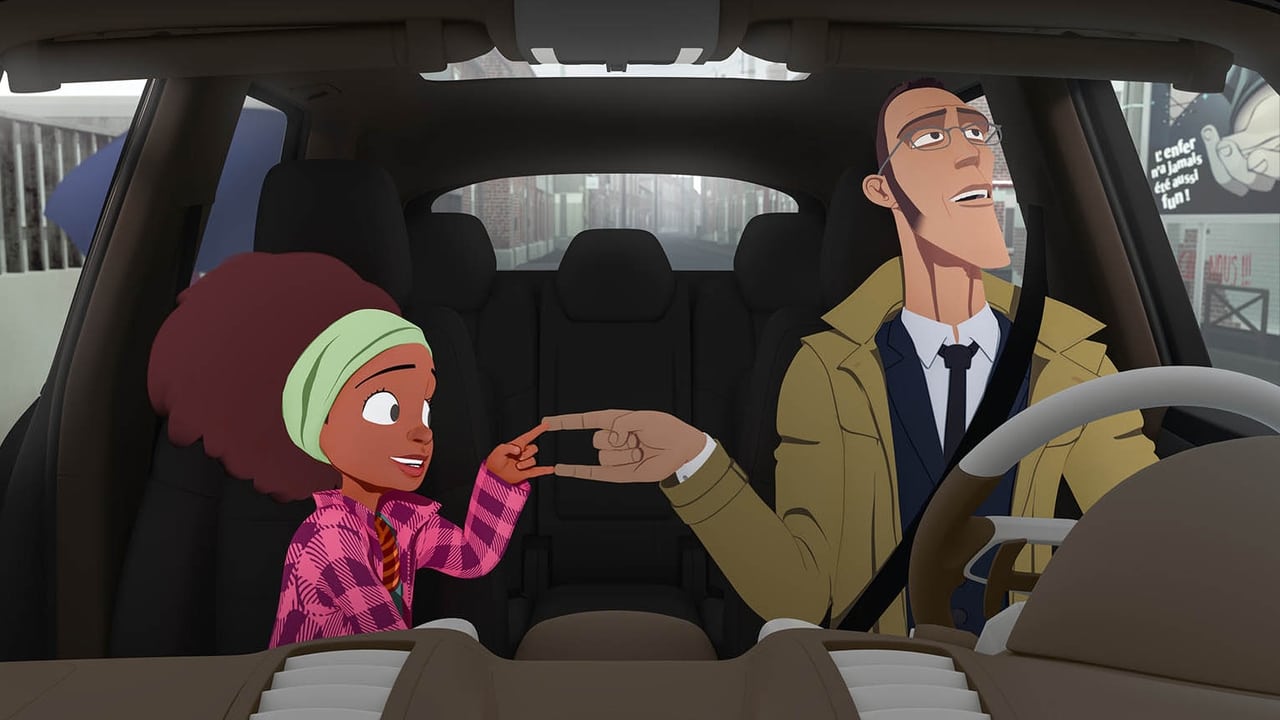
Zombillenium, the Halloween theme park, happens to be the one place on earth where real monsters can hide in plain sight. When Hector, a human, threatens to disclose the true identity of his employees, the Vampire Park Manager has no other choice but to hire him. To see his daughter, Hector must escape from his zombie and werewolf co-workers.
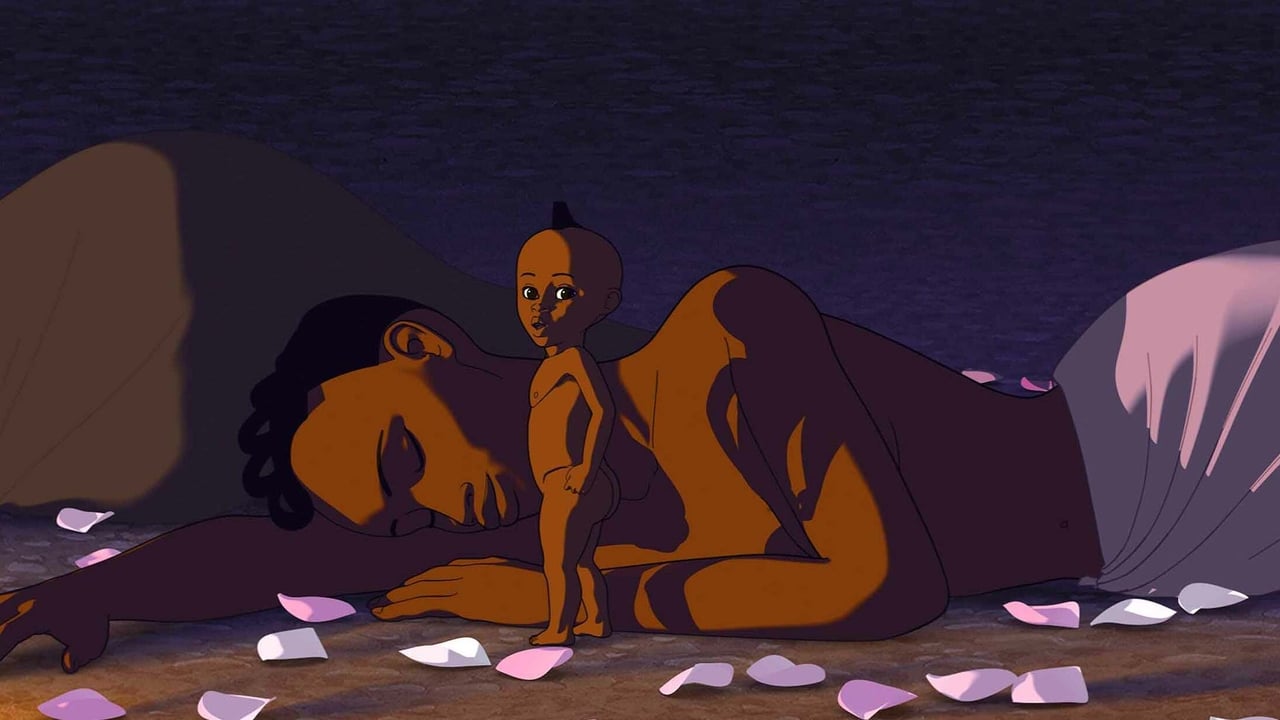
The grandfather welcomes us into his blue grotto, there was still beautiful memories of childhood to tell Kirikou: the times when he helped the men and women of his village and elsewhere ... He tells us how Kirikou, thanks to his bravery and intelligence, came to the aid of the strong woman. He tells us by what trick the little hero found the grumpy old man, who had been lost in the bush, and how a cherry threatened by the witch was finally able to pass on his knowledge to the villagers. We also discover the secret of a mysterious blue monster, and finally through a flute linked to the family of our small and valiant heroes, the magical power of music.
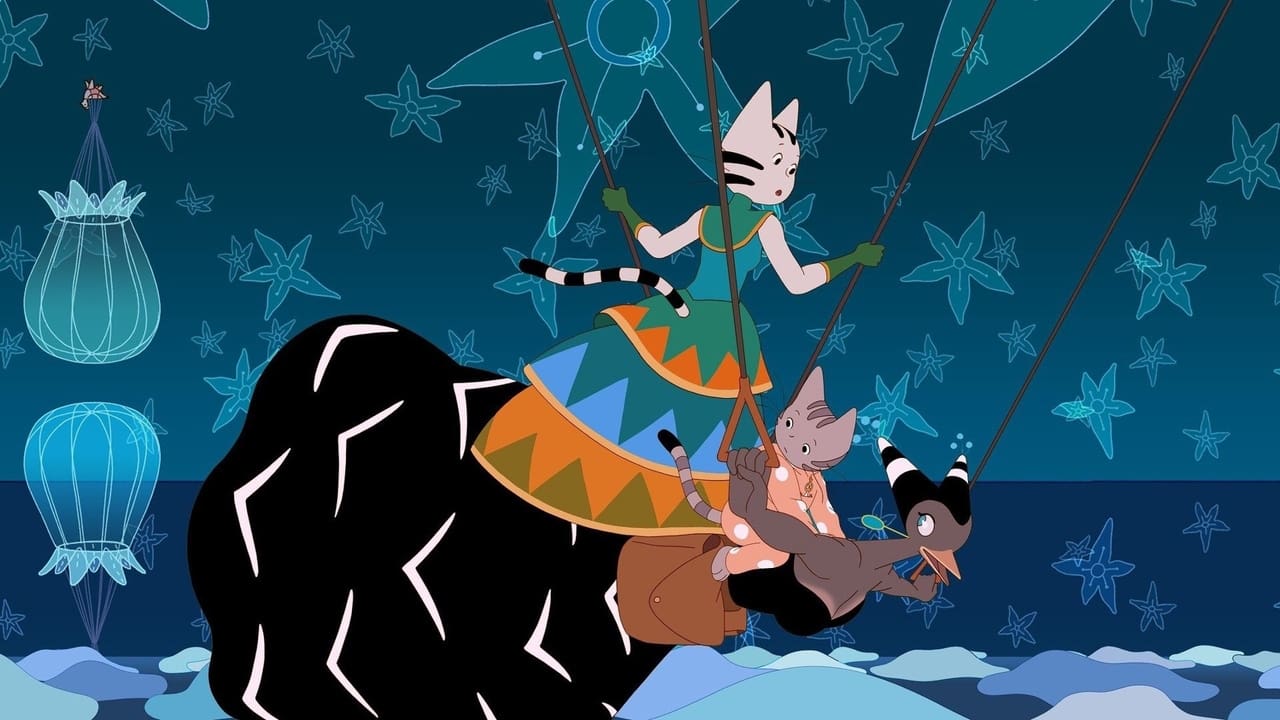
Agnès, Juliette and Carmen's neighbour, writes children's storybooks that take place in a fantasy world, The Kingdom of the Winds. The intrepid sisters discover a passageway between their world and this extraordinary universe. Once on the other side, the girls take on the appearance of cats and discover Sirocco, a terrifying character who can control the wind.
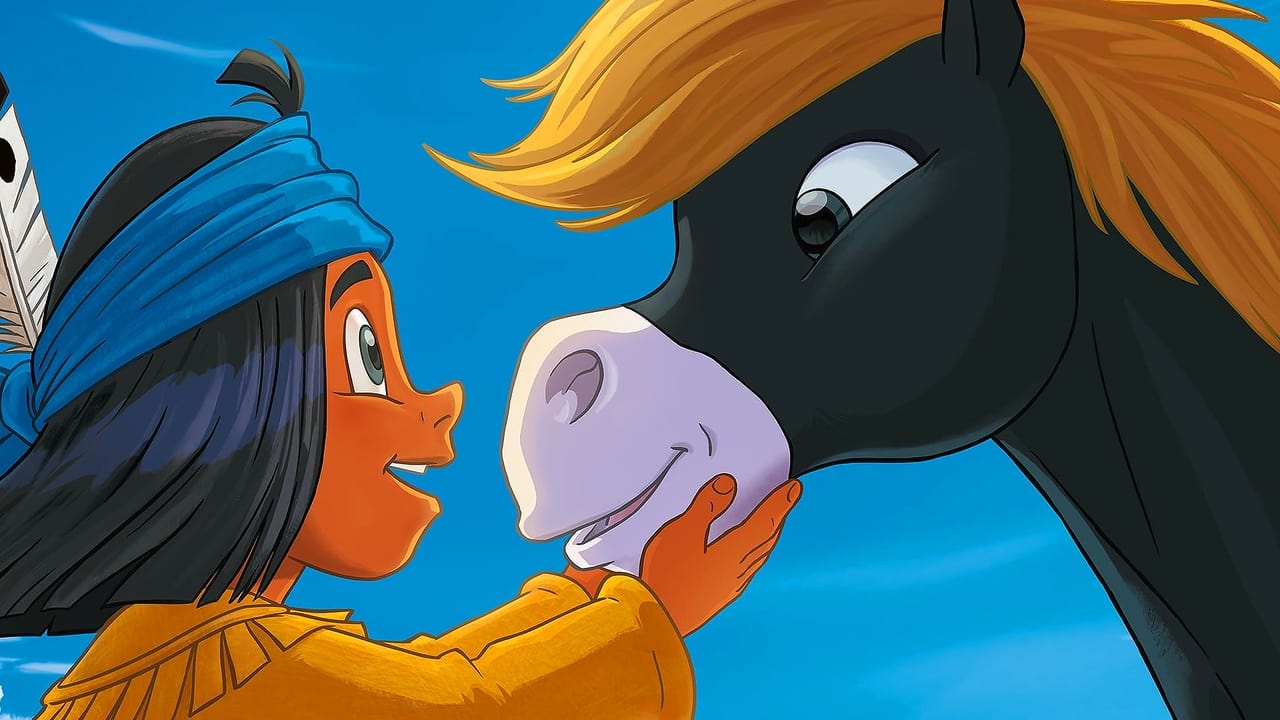
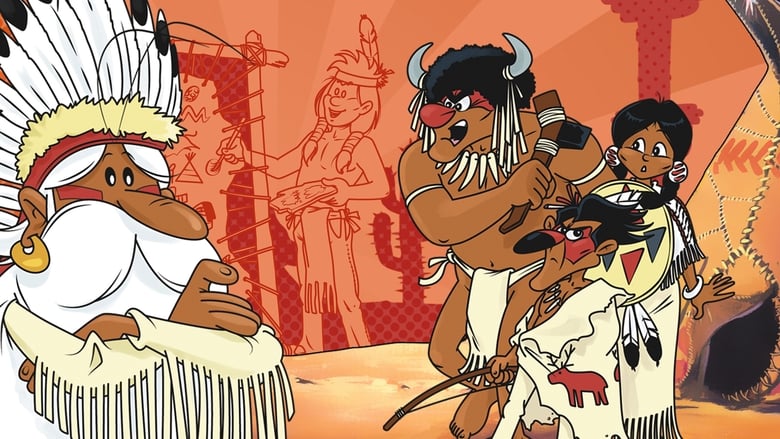
With his tribe's move to follow the migrating bison, Yakari, the little Sioux boy, sets out on his own to follow the trail of Little Thunder, a wild mustang said to be untameable. Travelling far from home and deep into the territory of the terrible cougarskins, Yakari and Little Thunder undertake a great adventure and find their way back home.
Anime-Sama: French and Belgian animation, and where to watch it
From Asterix, Tintin, Lucky Luke and the Smurfs to The King and the Mockingbird, Kirikou, Ernest & Celestine, Zombillénium and Once Upon a Time… Man: films, series and short films from France and Belgium. Search a title and press Watch now.
Anime-Sama: French and Belgian animation, from Asterix, Tintin, Lucky Luke and the Smurfs to The King and the Mockingbird, Kirikou, Ernest & Celestine and Once Upon a Time… Man
France and Belgium have given the world one of its richest traditions of drawn, painted and puppet films. Paris saw the first drawn cartoon in 1908, Brussels turned the heroes of its comic magazines into feature films in the 1960s, and today the studios of Paris, Angoulême, Valence, Lyon, Montpellier, Toulouse, Liège and Brussels make films that win prizes from Annecy to Hollywood. Anime-Sama is a guide to that whole tradition, the French dessin animé in all its forms, written in English for viewers everywhere.
On these pages you will meet the heroes of the bande dessinée, the great Franco-Belgian comic strip: Asterix and Obelix, Tintin and Snowy, Lucky Luke and the Daltons, the Smurfs, Spirou, the Marsupilami, Blake and Mortimer, Corto Maltese, Yakari and Little Nicholas. You will find the films of the great French auteurs, from Paul Grimault and René Laloux to Michel Ocelot, Jean-François Laguionie and Sylvain Chomet; Albert Barillé's beloved Once Upon a Time… series; television favourites from Les Shadoks to Oscar's Oasis and Molang; family features from Kirikou to Zombillénium and Ernest & Celestine; and a cabinet of prize-winning short films from Paris, Brussels, Geneva and Montreal.
Every title has its own page with the story, the studio, the director, the voice cast and, for a series, each episode with its first air date. A Watch now button on that page opens the title on JustWatch for the country you choose, so you can see at a glance which official services carry it. The collection holds about two hundred and forty films and series from 1933 to 2026, each one picked by hand, and this page walks through all of it: how the site is laid out, how to use it, the history of French animation, its heroes, its artists, its studios and the best routes through the shelves.
Why French animation
French animation rewards curiosity. Within one afternoon you can travel from a 1930s puppet fox in a medieval court to a painted spaceship drifting past alien worlds, from the silhouettes of an African village to a theme park run by zombies. The French school has always welcomed painters, illustrators, cartoonists, puppeteers and engravers, and each brought their own tools. The result is a body of work in which almost every film has its own look.
It is also deeply tied to books. The great comic heroes came from weekly magazines read by millions of children; many of the family features adapt picture books; the auteurs often worked with poets and novelists, from Jacques Prévert and Roland Topor to Jean Giono and Marguerite Yourcenar. Watching these films is a lively way to explore French and Belgian culture, its humour, its history and its landscapes.
Finally, the tradition is very much alive. France is the largest producer of animation in Europe, and its schools train artists who work in studios all over the world. New features arrive every year, and the newest titles on Anime-Sama date from 2025 and 2026. Whether you love the classics or want to discover what the studios are making now, there is plenty to explore here.
The Anime-Sama design
Anime-Sama has a calm, dark look meant for evening browsing. The page is black, with a soft navy glow in the top left corner, like the light of a screen in a dark room. A slim black bar runs across the top with the logo, a dark search pill and icon links to the Catalogue, the Shelves, Help and My List.
Below the bar, a wide spotlight slides through featured films, each with its type badge, a short summary and a blue Watch button. Under it, the home page is a column of rows. Each row starts with an uppercase white heading, an icon and a slate-grey rule, with two square arrow buttons on the right that take you to the full list. The cards inside are deep navy, fading from a lighter blue at the top to almost black at the bottom; each one shows the picture, a small blue badge with the type, the title in capitals and two pale chips for the episode or running time and the date.
The Recently released and The classics rows use wider cards with a landscape image and three small labelled lines for genres, type and year, so you can compare titles at a glance. Further down come the hero shelves, the help links and this guide, and a quiet footer closes the page. The whole design is built for reading on a phone as easily as on a large screen: the rows scroll sideways with a swipe, and the menu folds into a single button on narrow screens.
How to use Anime-Sama
There are three easy ways in. The first is the search pill in the top bar: type a title in English or in French, a hero's name or a director, and the results appear as you type. Both names work, so Le Roi et l'Oiseau and The King and the Mockingbird lead to the same page. For a series, add a season and an episode, such as Marsupilami S2E3, and you land on that episode.
The second way is to browse. The home page rows show the newest episodes and films, recent releases and the classics, and the shelves gather titles by hero, by director, by format and by era. The Catalogue link opens every title at once, sorted by popularity, and the Browse page lists the whole collection from A to Z.
The third way is to follow the guides. The help pages and this article link straight to the titles they mention, so a paragraph about Tintin or about Michel Ocelot becomes a shortcut to the films themselves. When something catches your eye, press Add to My List on its page and come back to it later.
When you are ready to watch, open the title page, check the country selector and press Watch now. JustWatch then shows the streaming services, digital stores and free services that carry the title in your country. Offers change with the seasons, since services add and retire titles through the year, so it is worth checking again when a favourite is missing from your country's list today.
The pioneers
The story begins in Paris in 1908, when the caricaturist Émile Cohl drew Fantasmagorie, a short film of white lines on a black ground in which a little clown changes shape again and again. It is often called the first drawn cartoon, and its playful spirit runs through the whole French tradition.
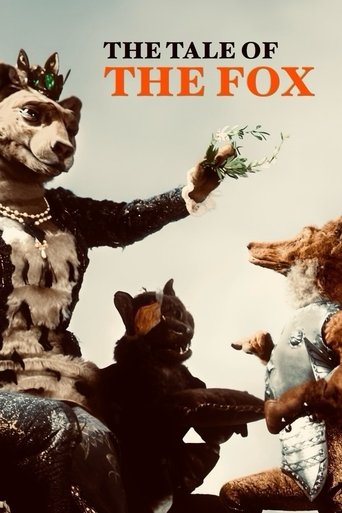
In the 1920s and 1930s, Paris drew artists from all over Europe. Władysław Starewicz, a Polish film-maker born in Moscow, settled near Paris and built a small world of puppets in his garden studio. With his daughter Irène he made The Mascot, in which a toy dog crosses a night-time Paris full of strange creatures, and The Tale of the Fox, a feature-length retelling of the medieval Roman de Renard with dozens of finely made animal puppets. Much later he made Winter Carousel, a short snowy fantasy, still with the same delicate hand.
Two other émigrés, Alexandre Alexeieff and Claire Parker, invented the pinscreen: a white board pierced by thousands of pins, pushed in and out to create shades of grey, lit from the side. Their A Night on Bald Mountain, set to Mussorgsky's music, looks like a moving engraving, and years later they used the same device for The Nose, after Gogol's story of a nose that goes for a walk alone. In 1934, two young artists, Anthony Gross and Hector Hoppin, made The Joy of Life, an art deco ballet in which two young women dance across electricity pylons and through gardens.
Paul Grimault and Jacques Prévert
Paul Grimault is the father of French animation as an art. With the producer André Sarrut he founded the studio Les Gémeaux, and in the 1940s he made a series of graceful, witty shorts. The Passengers of Ursa Major follows a little flying machine through the night, and The Little Soldier, written with the poet Jacques Prévert after Hans Christian Andersen, tells the love story of a toy soldier and a dancer.
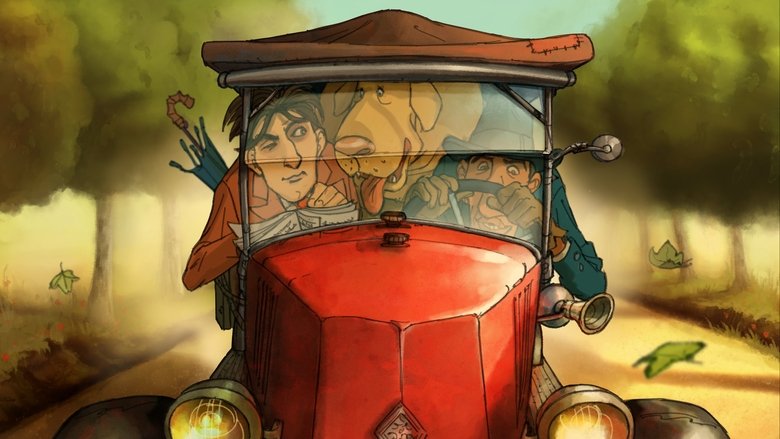
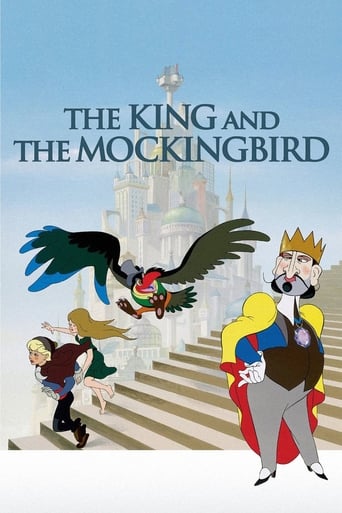
Grimault and Prévert then began their great project, a feature based on Andersen's tale of the shepherdess and the chimney sweep. The film appeared in 1953 as The Curious Adventures of Mr. Wonderbird in an unfinished form that Grimault disliked. He spent years winning back the rights, and in 1980 he released his own complete version, The King and the Mockingbird. In the vertical kingdom of Takicardie, the vain King Charles V-and-III-make-VIII-and-VIII-make-XVI rules from a tower full of secret lifts, while a sharp-tongued mockingbird helps a shepherdess and a chimney sweep escape from his paintings. The film's sweeping architecture and gentle humour inspired many later artists, including the founders of Studio Ghibli.
Grimault also produced the first film of a young artist named Jean-François Laguionie, The Young Lady and the Cellist, a romantic tale of a cellist who calms the sea with his music. It shows how the masters of each generation helped the next.
René Laloux and science fiction
René Laloux brought a dreamlike science fiction to French animation. His first film, Monkey's Teeth, was made with patients of the La Borde clinic, who drew the story themselves. With the artist Roland Topor he then made The Snails, in which a farmer's tears make his lettuces grow to giant size, feeding snails that grow even larger.
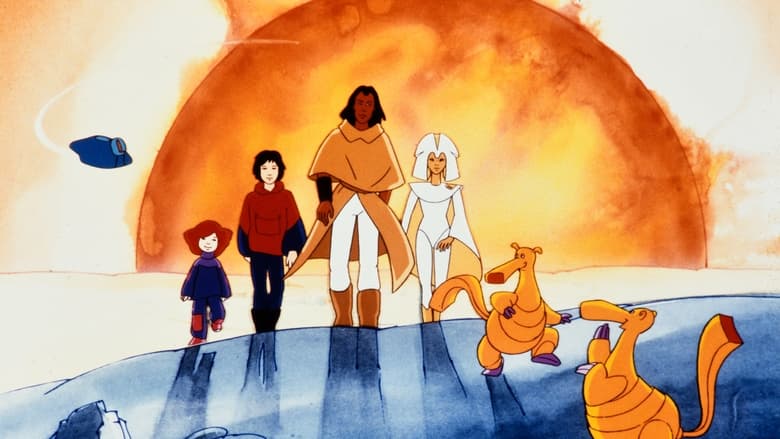
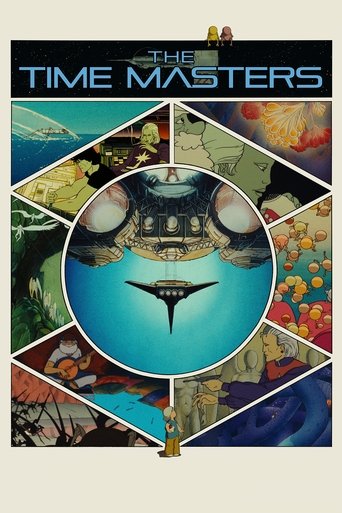
In 1982 he made Time Masters, designed by the comic artist Jean Giraud, known as Moebius. A little boy, Piel, is stranded on a dangerous planet, and his only link to rescue is a radio; a space crew races to reach him across the galaxy. Its pastel landscapes and strange creatures made it a cult film. Laloux later adapted Marguerite Yourcenar's story How Wang-Fo Was Saved, about an old painter who escapes an emperor's anger by stepping into his own painting.
Polish artists in Paris
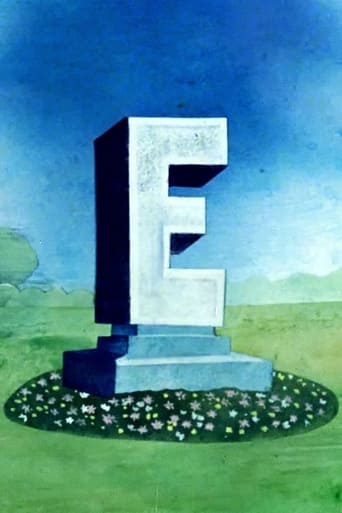
In the late 1950s, two Polish artists, Walerian Borowczyk and Jan Lenica, came to Paris and brought a bold, surreal style made of cut-outs, engravings and photographs. Borowczyk made The Astronauts with Chris Marker, a comic tale of a home-made flying machine, and the playful collages Grandma's Encyclopaedia and Joachim's Dictionary. Lenica made Monsieur Tête with Henri Gruel and later A, in which a giant letter moves into a man's flat and refuses to leave. These films opened French animation to graphic design and modern art.
At the same time, the Belgian Raoul Servais in Ghent made Chromophobia, a fable in which an army tries to drain a city of its colours and a small jester brings them back. Piotr Kamler, another Polish artist in Paris, made The Step, a strange, hypnotic short. All of these films are on the Before 1980 shelf.
The bande dessinée on screen
The bande dessinée, the Franco-Belgian comic strip, grew up in weekly magazines. Spirou appeared in 1938 from the publisher Dupuis in Marcinelle, near Charleroi; Tintin magazine followed in 1946 in Brussels; Pilote arrived in Paris in 1959. Each week, millions of children read the latest pages of their favourite heroes, and the albums that collected them became family treasures. It was natural that animators would bring these heroes to the screen, and the Brussels studio Belvision, founded by Raymond Leblanc, the publisher of Tintin magazine, led the way.
The comic heroes on Anime-Sama span seventy years, from a puppet Tintin of 1947 to Yakari in 2020. The Comics heroes shelf gathers them all, and the sections below introduce the most famous.
Asterix and Obelix
René Goscinny and Albert Uderzo created Asterix for the first issue of Pilote in 1959. In 50 BC, all of Gaul is occupied by the Romans, all except one small village in Armorica, where the druid Getafix brews a magic potion that gives superhuman strength. The little warrior Asterix and his big friend Obelix, who fell into the cauldron as a baby, defend the village with wit, courage and a good appetite for wild boar.
The first film, Asterix the Gaul, was made at Belvision in 1967 and follows the first album. A year later, Goscinny and Uderzo directed Asterix and Cleopatra themselves: the Egyptian queen bets Julius Caesar that her people can build him a palace in three months, and her architect Edifis calls on Getafix for help. Full of songs, puns and Egyptian jokes, it is one of the best-loved animated films in France.
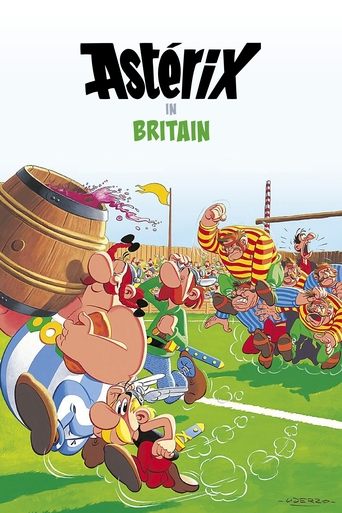
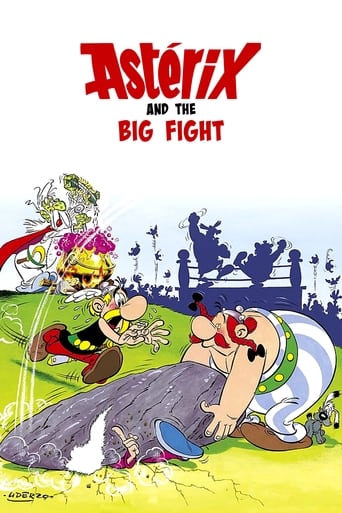
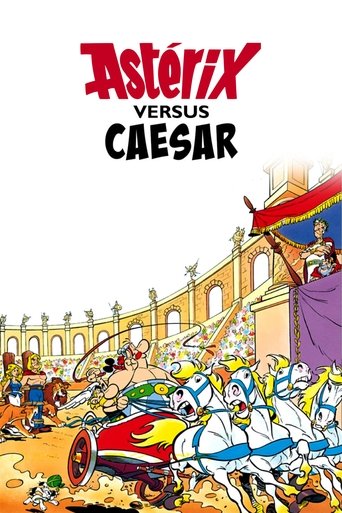
In the 1980s, the Gaumont studio took up the series. Asterix vs. Caesar, directed by the twin brothers Gaëtan and Paul Brizzi, combines two albums in a story of a kidnapped young couple and a Roman arena. Asterix in Britain sends the heroes across the Channel with a barrel of magic potion to help their cousin Anticlimax, among warm beer, cups of hot water and rain. Asterix and the Big Fight brings a duel of chiefs and a druid who has lost his memory. Each film shows a different period of French studio craft, and together they make a lovely series for a family film weekend.
Tintin and Snowy
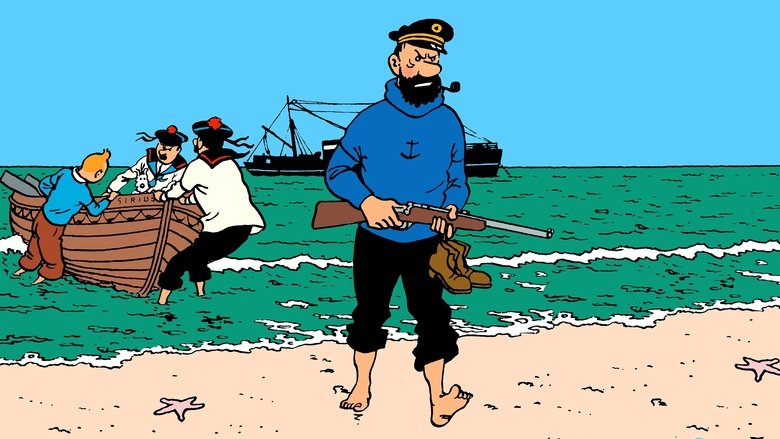
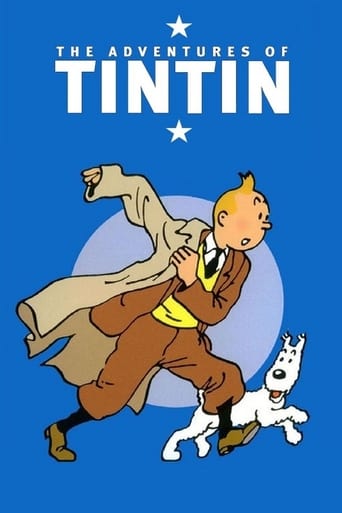
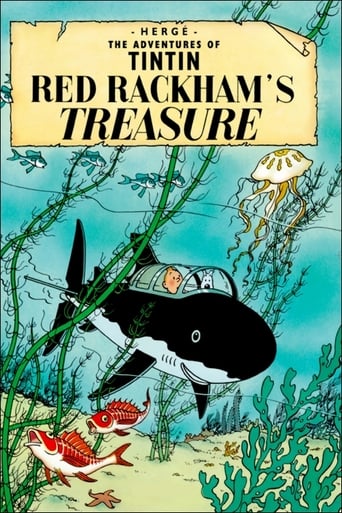
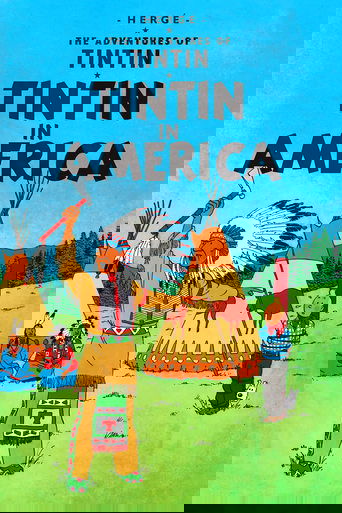
Hergé, the Brussels artist Georges Remi, created Tintin in 1929. The young reporter, his white dog Snowy, the fiery Captain Haddock, the absent-minded Professor Calculus and the detectives Thomson and Thompson travel from the deserts of Arabia to the snows of Tibet and the surface of the Moon. Hergé's clear line style, with its precise outlines and flat colours, became a model for generations of artists.
The first Tintin film, The Crab with the Golden Claws of 1947, was made in Brussels by Claude Misonne with stop-motion puppets. In the 1960s Belvision animated the albums for television; The Calculus Affair comes from that period. Belvision then made the feature Tintin and the Temple of the Sun, in which Tintin and Haddock cross the Andes to rescue Calculus from the descendants of the Incas.
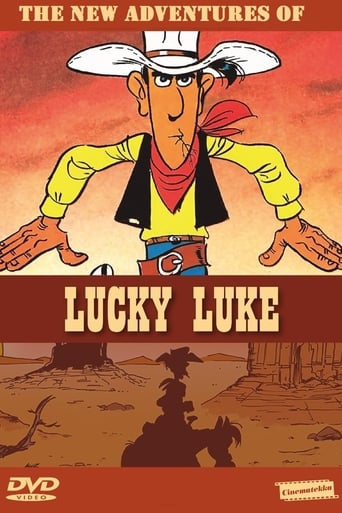
The Belgian artist Morris created Lucky Luke in 1946, and from 1955 René Goscinny wrote the stories. The lonesome cowboy who shoots faster than his shadow rides through a comic version of the American West with his clever horse Jolly Jumper and the slow-witted dog Rantanplan, always on the trail of the four Dalton brothers, from the tiny, furious Joe to the tall, hungry Averell.
Goscinny and Morris directed Daisy Town themselves in 1971, the story of a new town that hires Luke as sheriff. In 1978 came Lucky Luke: The Ballad of the Daltons, made at Studios Idéfix, the studio Goscinny and Uderzo had founded in Paris; the Daltons must kill everyone who sent their uncle to the gallows to inherit his fortune, and Luke must protect them all. Lucky Luke: Daltons on the Loose followed in 1983. The series continued with The New Adventures of Lucky Luke on television in 2001 and the feature Go West: A Lucky Luke Adventure in 2007, in which Luke guides a wagon train of Parisian tailors to California.
The Smurfs and other Belgian heroes
Peyo, the Brussels artist Pierre Culliford, first drew the Smurfs in 1958 as guest characters in his medieval adventure strip Johan and Peewit. The Smurfs and the Magic Flute, made at Belvision, tells that original story: a flute with six holes makes everyone who hears it dance until they drop, and Johan and Peewit visit the land of the little blue creatures to stop a thief who has stolen it.
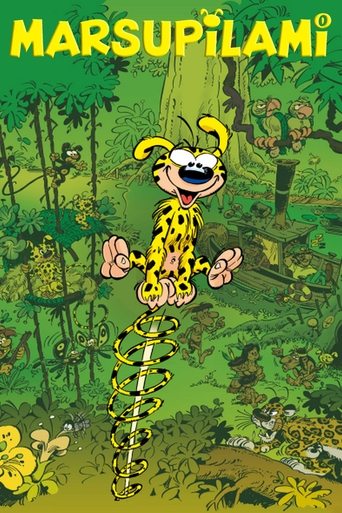
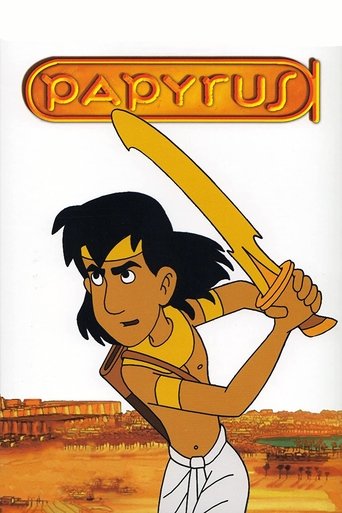
The Dupuis magazine Spirou produced many other heroes. André Franquin's Marsupilami, a yellow animal with black spots and an endless tail, first appeared in Spirou's stories in 1952 and later got his own series, Marsupilami, set in the jungle of Palombia. Spirou himself, the hotel bellboy turned adventurer, and his friend Fantasio returned in Les Nouvelles Aventures de Spirou & Fantasio. Walter Melon adapts Greg's Achille Talon, a big-headed, wordy hero who stars in film parodies, and Papyrus brings Lucien De Gieter's young fisherman of ancient Egypt to television.
Adventure heroes
The Franco-Belgian magazines also loved grown-up adventure. Edgar P. Jacobs, once Hergé's assistant, created Blake and Mortimer in 1946 for the first issue of Tintin magazine: Captain Francis Blake of British intelligence and the Scottish scientist Philip Mortimer face secret weapons, time machines and the Yellow M. The 1997 series Blake and Mortimer follows their London fogs and Egyptian tombs with a fine eye for period detail.
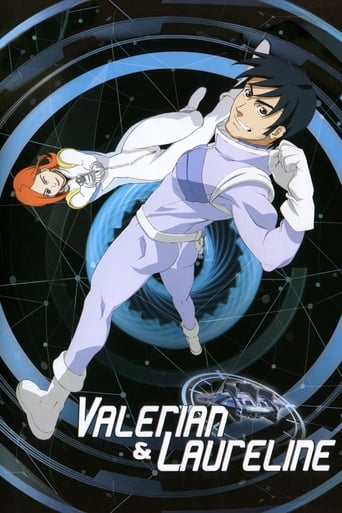
The Belgian writer Henri Vernes created Bob Morane in 1953 in a series of novels later drawn as comics; Bob Morane brought the brave adventurer to television in 1998. Pierre Christin and Jean-Claude Mézières created the space travellers Valerian and Laureline in Pilote in 1967, and Time Jam: Valerian & Laureline follows them through time and galaxies in a French and Japanese co-production. Jean Giraud, known as Moebius, created the silent hero Arzak, who flies a strange white bird over desert worlds, and Arzak Rhapsody is a series of short, dreamlike episodes in his style.
Young heroes and gentle classics
Some of the most loved Franco-Belgian heroes are children. Yakari, created by the Swiss writer Job and the Belgian artist Derib in 1969, is a young Sioux boy who can talk with animals. In Yakari: A Spectacular Journey he sets off to tame the wild horse Little Thunder and learns the gift his totem animal, the eagle Great Eagle, has given him.
Little Nicholas was born in 1959 from the pens of René Goscinny and the artist Jean-Jacques Sempé, in short stories about a schoolboy in 1950s France and his gang of friends. Little Nicholas: Happy as Can Be blends those stories with scenes from the lives of Goscinny and Sempé themselves, drawn in Sempé's airy watercolour style; it won the top feature prize at the Annecy festival in 2022.
Bécassine, the Breton maid created in 1905 for the girls' magazine La Semaine de Suzette, is one of the oldest heroines of the bande dessinée, and Bécassine, le trésor viking gives her a treasure hunt of her own. Sophie's Misfortunes adapts the Countess of Ségur's classic stories of a mischievous little girl, and Princess Sissi follows the young empress of Austria. Serge Bloch's tiny space hero returns in SamSam, and Antoon Krings' cheerful insects arrive in Tall Tales.
Ernest & Celestine
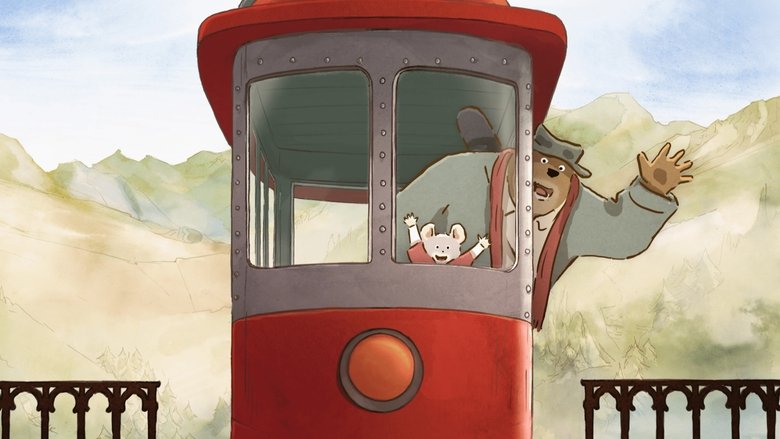
The Belgian author and painter Gabrielle Vincent created Ernest and Celestine in 1981: a big, gentle bear and a little orphan mouse who live together in a cosy house. Her watercolour picture books became a much-loved animated film in 2012 and then a television series. In Ernest & Celestine: A Trip to Gibberitia, the friends travel to Ernest's homeland, where the rulers allow only a single musical note, and they join a secret band of musicians to bring melody back. The soft, airy watercolours and the joyful music make it a perfect film for every age.
Michel Ocelot
Michel Ocelot spent his childhood in Guinea, and the colours and stories of West Africa run through his work. He loves simple, beautiful materials: cut paper, silhouettes against bright skies, painted patterns. His early short The Three Inventors, made of white lace-like paper, tells of a family of inventors in the eighteenth century and won a BAFTA.
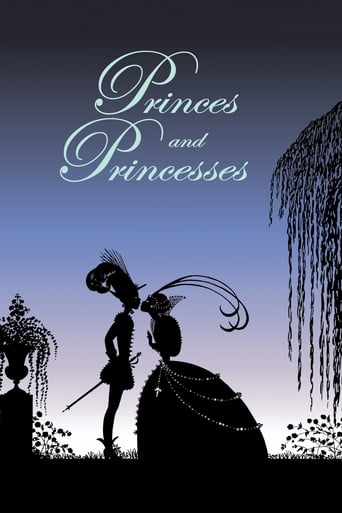
Princes and Princesses gathers six fairy tales performed by black silhouettes in front of glowing coloured backgrounds, told by two children and an old projectionist in an empty cinema. The same idea returns in the television series Dragons and Princesses and the feature Ivan Tsarevitch and the Changing Princess. His most famous hero is Kirikou, the tiny, quick-witted boy of an African village; in Kirikou and the Men and Women, grandfather tells five new tales of Kirikou's cleverness and kindness. The Black Pharaoh, the Savage and the Princess brings three new tales from ancient Nubia, medieval Auvergne and Ottoman Istanbul, each with its own design. Ocelot's films are a wonderful choice for young children, with clear storytelling, music and a great respect for every culture they visit.
Jean-François Laguionie
Jean-François Laguionie is the poet of French animation. After The Young Lady and the Cellist he made Rowing Across the Atlantic, a gentle, funny story of a couple who set out to cross the ocean in a rowing boat and grow old on the way; it won the Palme d'Or for short film at Cannes in 1978.
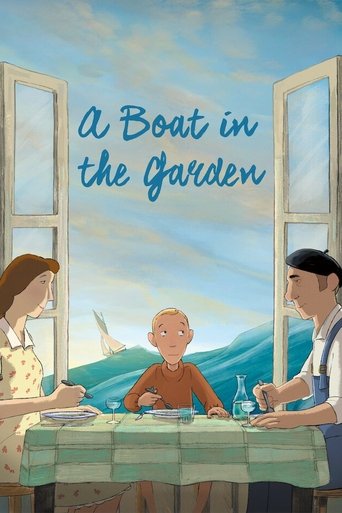
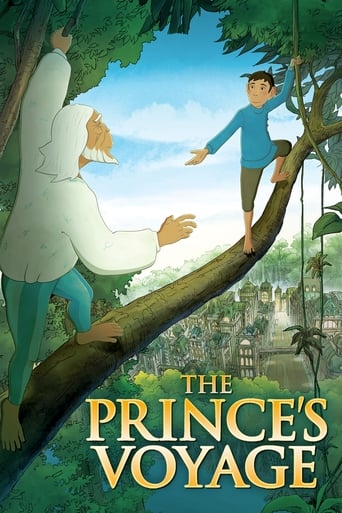
His features each build a world of their own. Gwen and the Book of Sand follows a girl of the desert in a distant future where people worship strange objects from the past. A Monkey's Tale is a fable about two monkey peoples, one in the treetops and one on the ground, who learn to live together. Black Mor's Island is a pirate story about a young orphan in search of a treasure map. Louise by the Shore follows an elderly woman who misses the last train of the season and spends the winter alone in a seaside town, discovering a new freedom. The Prince’s Voyage returns to the monkey world of A Monkey's Tale, and A Boat in the Garden, from 2025, tells of a boy and his father building a sailing boat in their garden. Laguionie's films move slowly and kindly, with painterly backgrounds and quiet music.
Sylvain Chomet
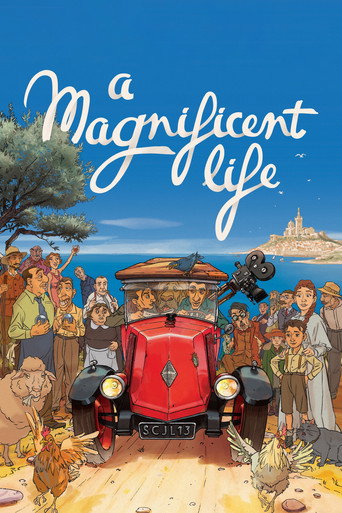
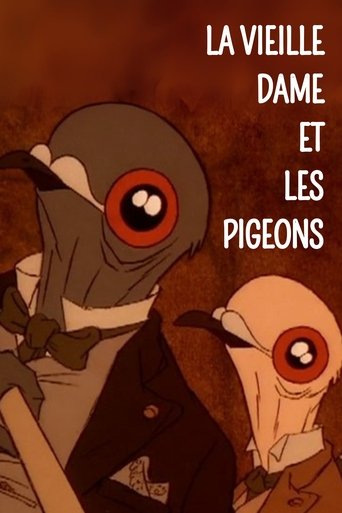
Sylvain Chomet is a cartoonist who brings the spirit of the comic strip into his films. The Old Lady and the Pigeons is a short, grotesque comedy about a hungry Paris policeman who disguises himself as a giant pigeon so that an old lady will feed him; it was nominated for an Oscar and opened the way for his famous features. His newest film, A Magnificent Life, from 2025, is a portrait of the writer and film-maker Marcel Pagnol, from his Provençal childhood to his life in cinema, drawn with Chomet's warm humour.
Quebec and the National Film Board
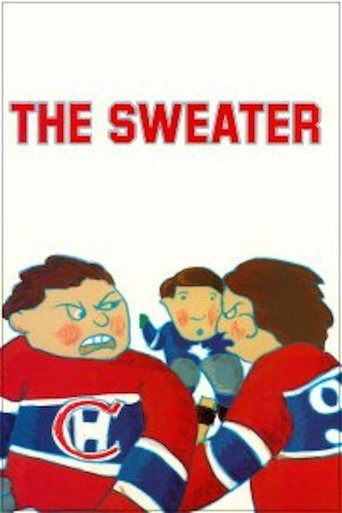
French animation reaches far beyond France. In Quebec, the French-speaking artists of the National Film Board of Canada made some of the most celebrated short films in the world. Norman McLaren, the Board's great experimenter, made Blackbird after a French-Canadian folk song, with cut-out shapes dancing to the music.
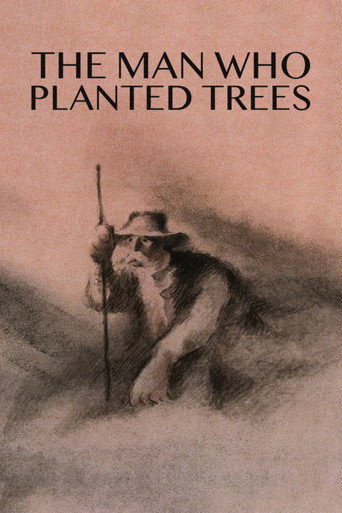
Frédéric Back, born in the Saarland and settled in Montreal, made his films with coloured pencils on frosted cels. Crac! follows a rocking chair through a century of Quebec life and won an Oscar; The Man Who Planted Trees, after Jean Giono's story of a shepherd who plants a forest acorn by acorn, won another and became one of the most loved short films ever made. The Mighty River celebrates the Saint Lawrence and its history.
Belgium has a proud tradition of its own. Raoul Servais founded the first animation school in Europe in Ghent in 1963 and made films of great imagination. Picha made the comic caveman tale The Missing Link. Stéphane Aubier and Vincent Patar created the plastic toys Cowboy, Indian and Horse, whose wild adventures in A Town Called Panic and the feature A Town Called Panic are among the funniest stop-motion films ever made. Arnaud Demuynck and Rémi Durin made Yuku and the Himalayan Flower, and Jung Henin told his own story of a Korean child adopted by a Belgian family in Approved for Adoption, combining animation with family films and archive footage.
Once Upon a Time…
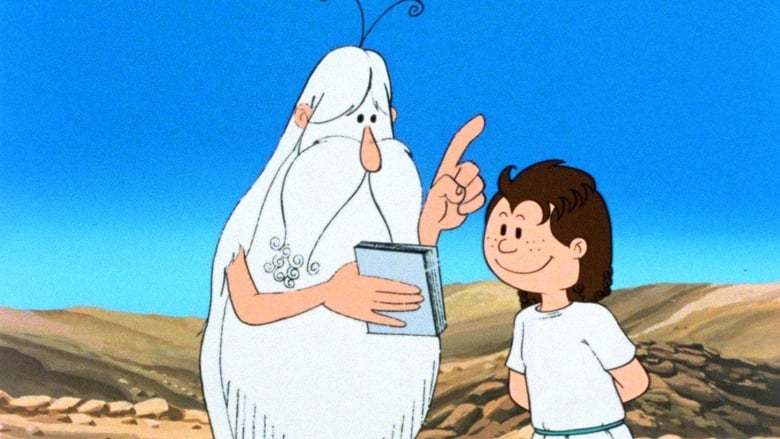
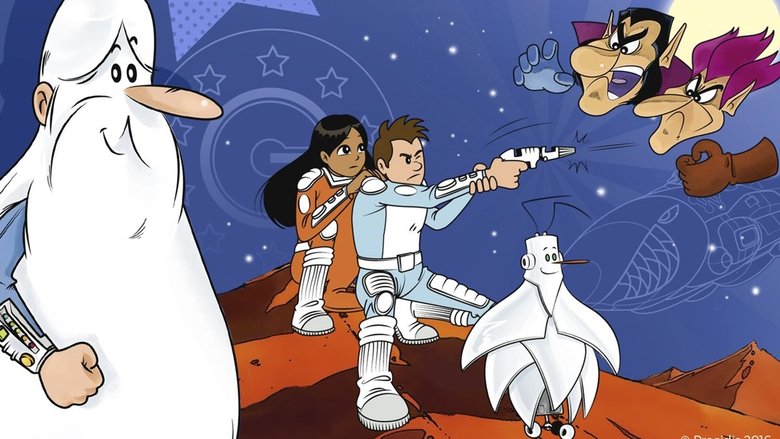
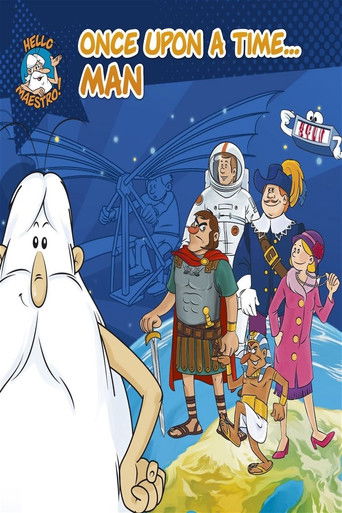
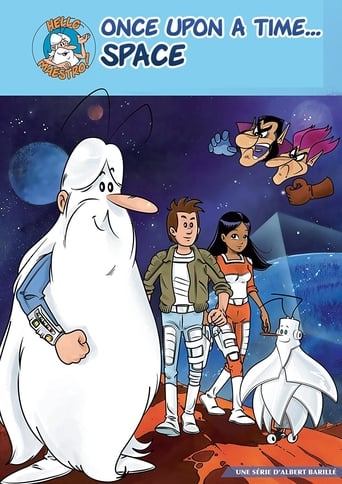
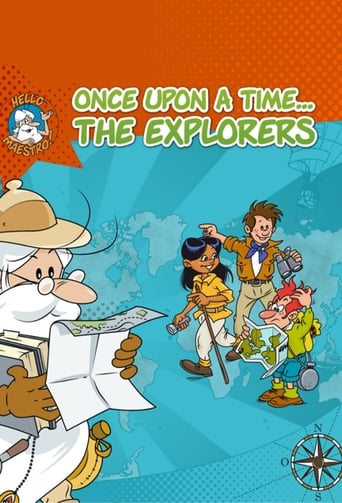
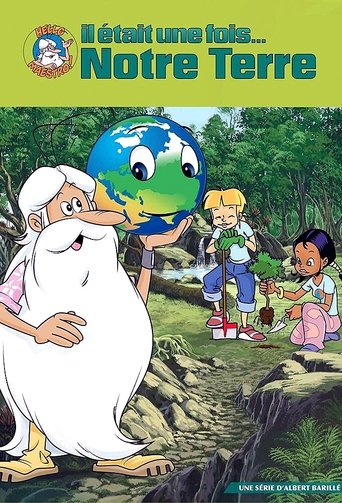
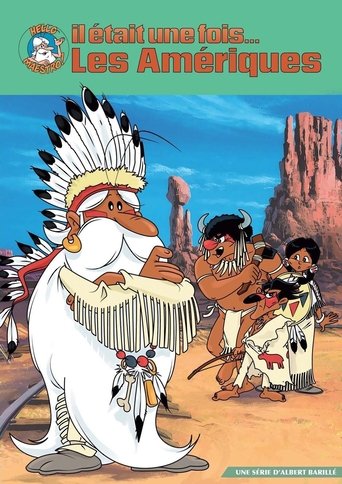
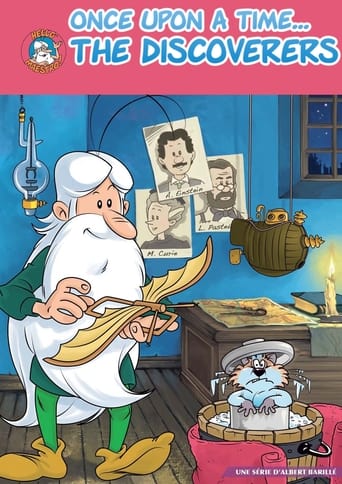
In 1978, the producer Albert Barillé launched Once Upon a Time… Man, a series that tells the history of humanity from the birth of the Earth to the end of the twentieth century in twenty-six episodes. Each episode follows the same family of characters through a new period: the white-bearded Maestro, the brave Pierre, the lively Pierrette, the big, kind Le Gros and the bully Le Teigneux, with his sidekick. The theme music, from Bach's Toccata and Fugue in D minor, became famous across Europe.
These series are still a wonderful way for children to learn, and many parents remember watching them at school. The Once Upon a Time… shelf gathers them all.
Les Shadoks and the absurd
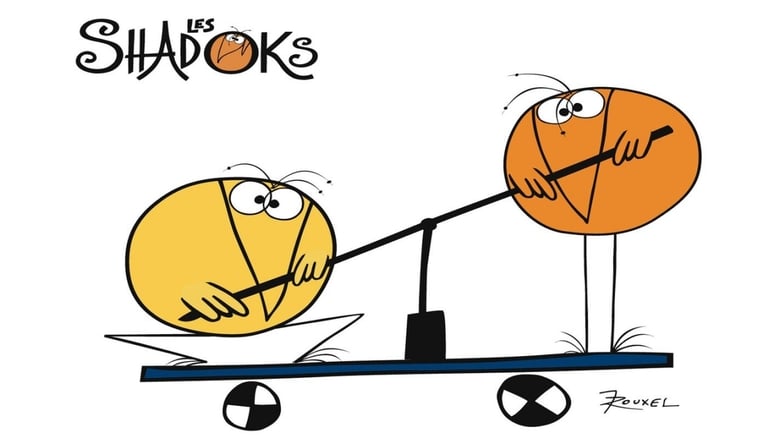
In 1968, the French television service ORTF broadcast Les Shadoks, created by Jacques Rouxel. The Shadoks are round, long-legged birds with tiny wings who spend their days pumping, and their absurd adventures against the Gibis, who wear hats and think with their heads, were narrated by the actor Claude Piéplu in a solemn voice. The series divided the country at first and became a cult classic; its sayings, such as "Why do it the simple way when you can do it the complicated way?", are still quoted today.
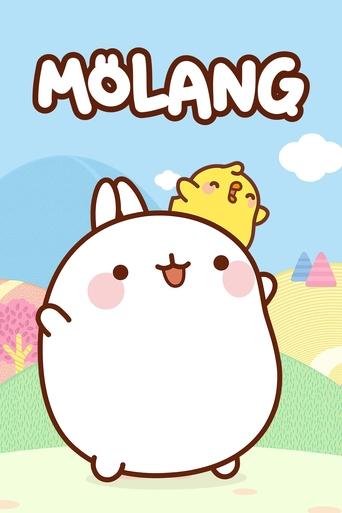
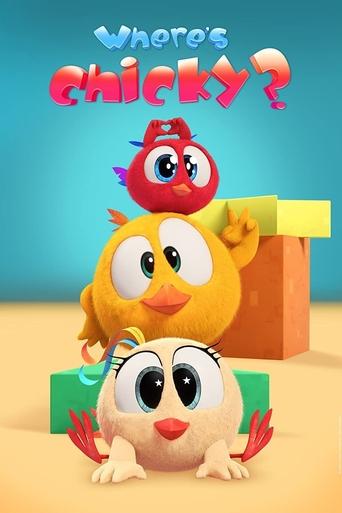
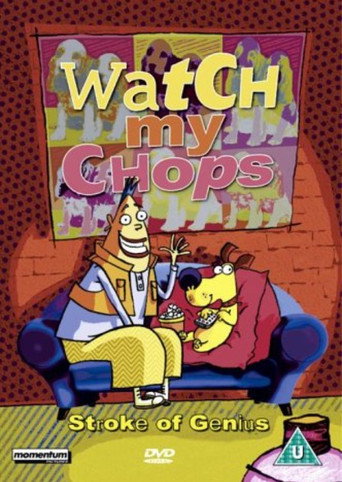
The same spirit of gentle absurdity runs through many French series. Oscar's Oasis follows a little lizard in the desert in wordless slapstick episodes. Where's Chicky? and Molang, about a round rabbit and a little chick, speak in a cheerful made-up language understood by children all over the world. Watch My Chops follows a talking dog and the boy who shares his secret, and A Town Called Panic is its Belgian cousin, full of noise and invention.
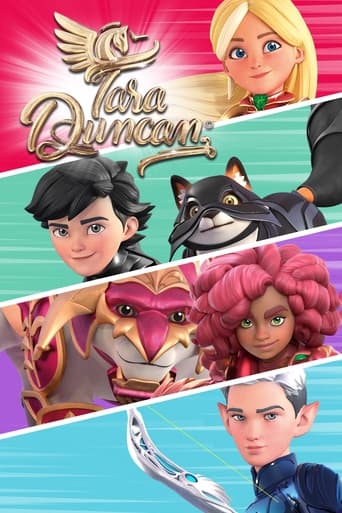
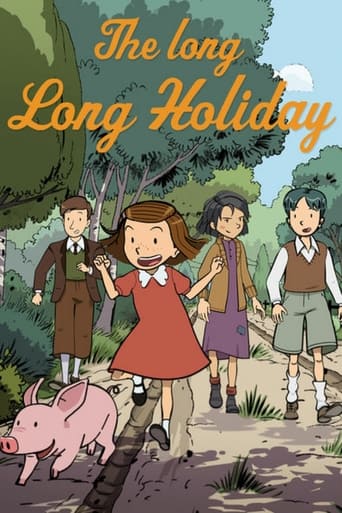
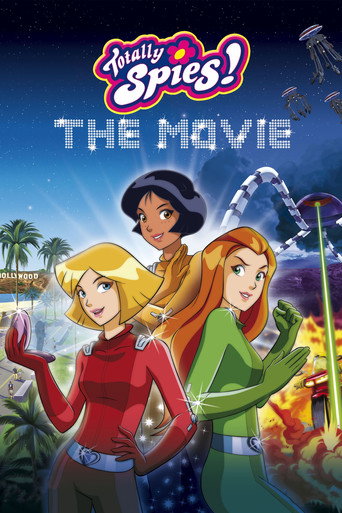
The 2000s brought a new generation. Martin Mystery, adapted from an Italian comic, sends a teenager to investigate the supernatural, and its studio also made the spies of Totally Spies! The Movie. Skyland imagines a world shattered into floating blocks of rock, Dragon Hunters follows two dragon-hunters for hire across a world of floating islands, and Tara Duncan adapts the fantasy novels of Sophie Audouin-Mamikonian. The Long, Long Holiday tells the story of two Paris children sent to their grandparents in Normandy in 1939, and Samuel, from 2024, draws the diary of a ten-year-old boy in simple black lines.
Since the 1990s, French and Belgian studios have produced a steady stream of family features, from small hand-drawn films to large computer-animated productions. The Family features shelf gathers about seventy of them, and here are some of the highlights.
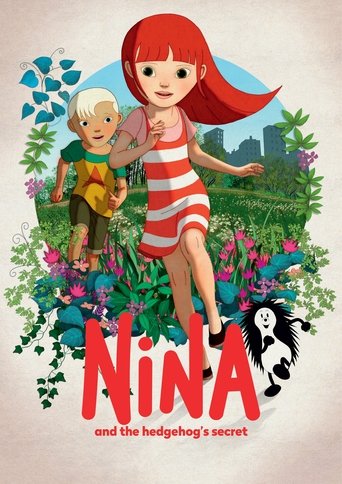
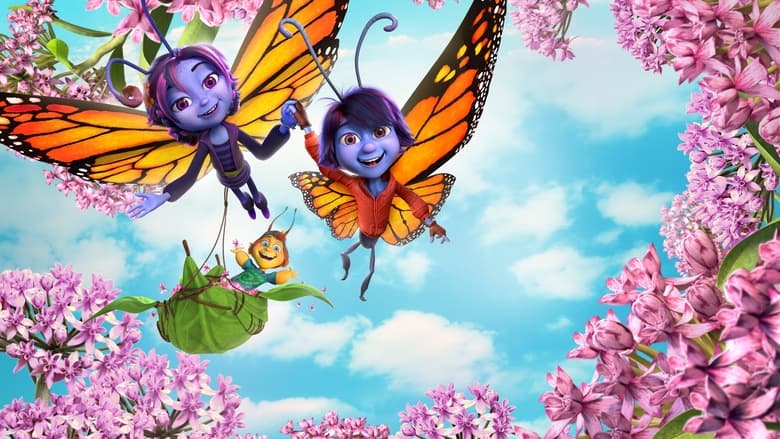
Jacques-Rémy Girerd, founder of the Folimage studio in Valence, made Raining Cats and Frogs, a modern Noah's Ark in which a farmer, his family and a zoo full of animals float on a barn roof after a great flood, and, with Benoît Chieux, Aunt Hilda!, in which a botanist who loves plants battles a miracle crop that grows out of control. Chieux's own Sirocco and the Kingdom of Winds sends two sisters into the world of their favourite book, a land of wind and music in soft pastel colours. Folimage's Alain Gagnol and Jean-Loup Felicioli made Nina and the Hedgehog's Secret, a warm story of a girl who tries to cheer up her father with a treasure hunt.
Some of the best family films come from picture books and comics. Zombillénium, by the cartoonist Arthur de Pins and Alexis Ducord, is set in a theme park in the north of France staffed by real vampires, werewolves and zombies, and follows a safety inspector who becomes a monster himself. Little Vampire is Joann Sfar's story of a lonely young vampire who makes friends with a living boy. Grégoire Solotareff's Wolfy: The Incredible Secret sends a little wolf raised by rabbits on a trip to the Carnival of Wolves, and won the César for best animated film; Solotareff also wrote U, about a unicorn who keeps a lonely princess company.
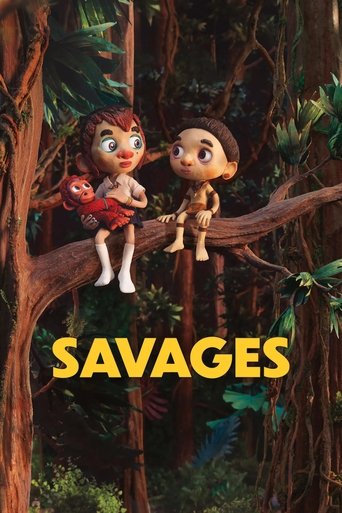
Adventure films for older children include Kaena: The Prophecy, one of the first French features made fully in computer animation, set on a giant tree in space; The Rain Children, with designs by the artist Caza; Princess of the Sun, a romance in ancient Egypt; and Icarus, which retells the Greek myth of Daedalus, Icarus and the Minotaur from the young hero's point of view. Pachamama follows two children of the Andes on a quest to recover a sacred statue at the time of the Inca empire, and Savages, Claude Barras' stop-motion film, tells of a girl in Borneo who adopts a baby orangutan and joins the fight for the rainforest.
Comedies and musicals
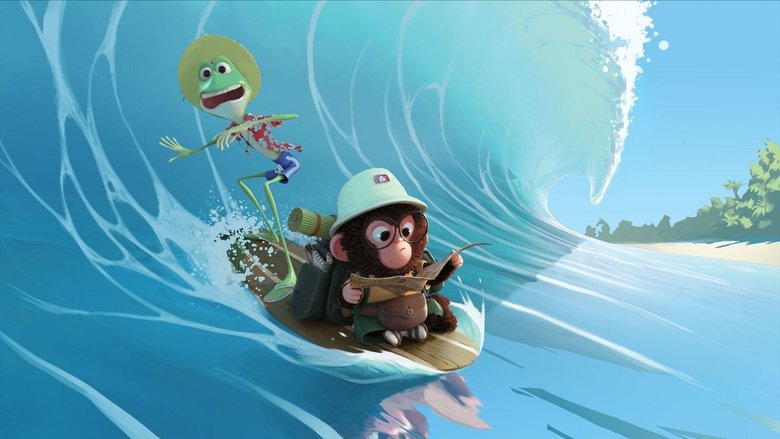
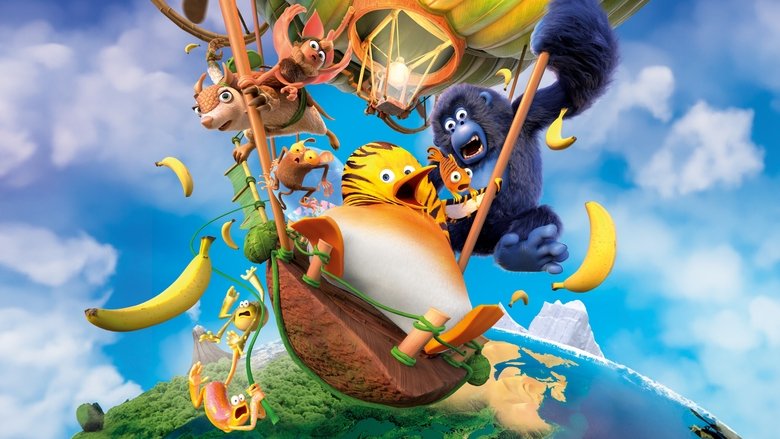
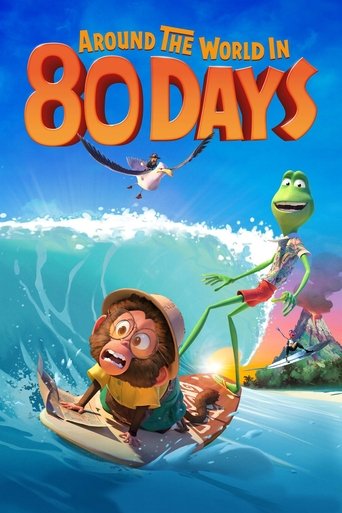
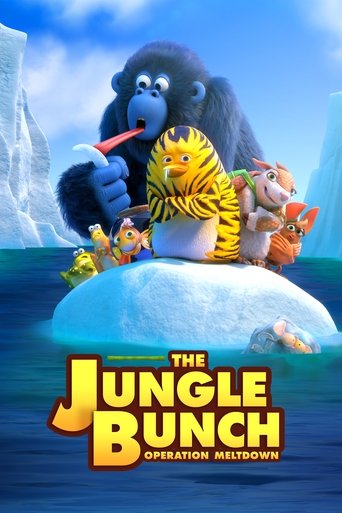
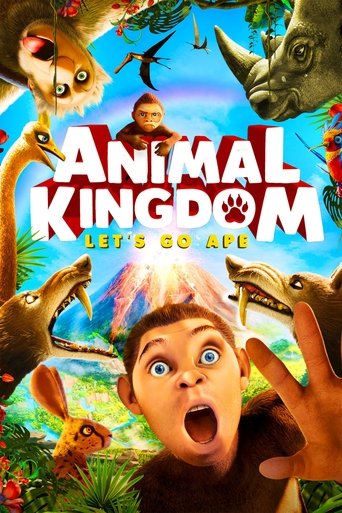
The lighter side of French animation is just as rich. The Jungle Bunch: The Movie and The Jungle Bunch: Operation Meltdown, from the Toulouse studio TAT, follow Maurice, a penguin raised by a tiger, who leads a band of animal friends in kung-fu adventures. Around the World in 80 Days turns Jules Verne's story into an animal adventure with a young marmoset named Passepartout and a frog named Phileas Frog. Animal Kingdom: Let's Go Ape, made with motion capture by the comedian Jamel Debbouze, tells a prehistoric comedy of a young ape who invents new ideas.
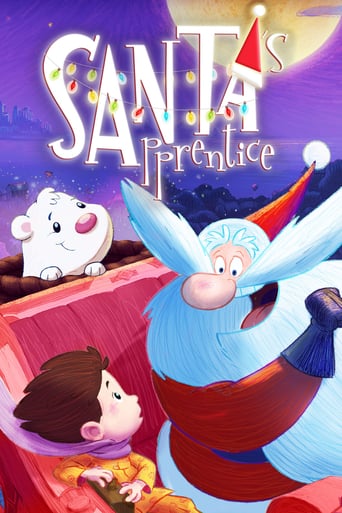
Music lovers can enjoy Piccolo, Saxo & Cie, a musical adventure among the families of the orchestra, Emilie Jolie, based on Philippe Chatel's famous musical tale, and The True Story of Puss 'n Boots, made by the theatre artists Jérôme Deschamps and Macha Makeïeff. Eleanor's Secret follows a boy who inherits his aunt's library of storybooks and finds that the heroes of the books come to life. Santa's Apprentice and The Magic Snowflake are perfect for the Christmas season, following a young boy chosen to become the next Santa Claus.
The newest films
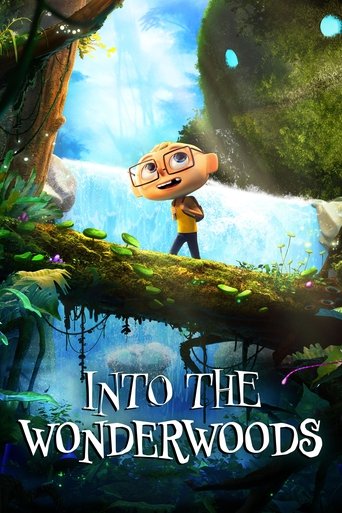
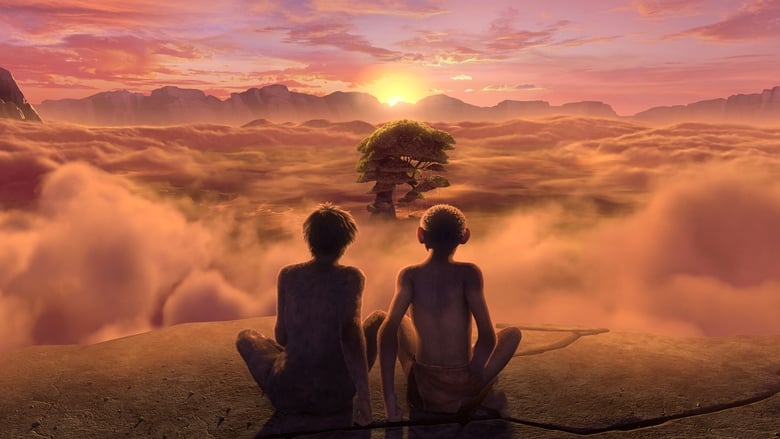
Recent years have brought some of the finest French animation yet. Into the Wonderwoods sends a boy into a mysterious forest full of creatures; The Bears' Famous Invasion of Sicily, by the Italian artist Lorenzo Mattotti, adapts Dino Buzzati's classic book about bears who come down from the mountains to find their king's lost son; and Yuku and the Himalayan Flower follows a little mouse who sets out to find a flower that grows on the roof of the world. Shooom's Odyssey is a short, lively adventure of a baby owl in the swamps.
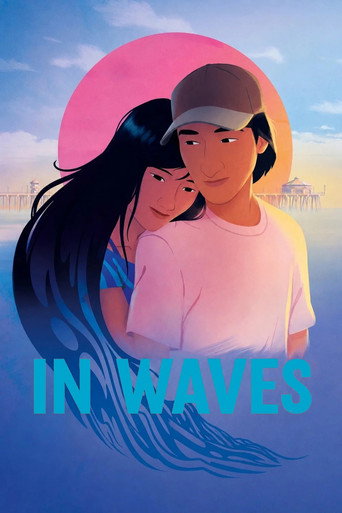
The most recent titles include A Magnificent Life, Hola Frida!, about the childhood of the painter Frida Kahlo, A Boat in the Garden and In Waves, a 2026 feature. The Since 2000 shelf collects every title from the new century, and the Latest films row on the home page shows the newest arrivals first.
Short films
The short film is the heart of French animation. Freed from the needs of a long story, artists can try new materials, new techniques and new ideas, and many of the great feature directors began with shorts. The Short films shelf holds more than sixty of them, from the 1930s to today, each thirty minutes or less.
The classics include The Man Who Planted Trees, Crac!, The Monk and the Fish, in which the Dutch artist Michael Dudok de Wit shows a monk chasing a fish in a monastery pond until the chase becomes a dance, and Georges Schwizgebel's The Ride to the Abyss, painted frame by frame in Geneva to Berlioz's music. The Beach by Patrick Bokanowski is a mysterious, shimmering view of bathers on a beach, painted over live film. At the Ends of the Earth, by the Russian artist Konstantin Bronzit, shows a house balanced on the tip of a hill, rocking back and forth with the life of its residents.
Paris film schools have produced many prize-winning shorts. French Roast, by Fabrice Joubert, is set in a Paris café where a mean businessman realises he has lost his wallet; it was nominated for an Oscar. Even Pigeons Go to Heaven, by Samuel Tourneux, shows a priest selling an old man a machine that sends him to heaven, also nominated for an Oscar. Skhizein, by Jérémy Clapin, tells of a man who is struck by a meteorite and finds himself living ninety-one centimetres away from himself, and Clapin's earlier A Backbone Tale follows a man with a curved spine in search of love. Arthur de Pins' The Revolution of the Crabs follows crabs who can walk only in a straight line.
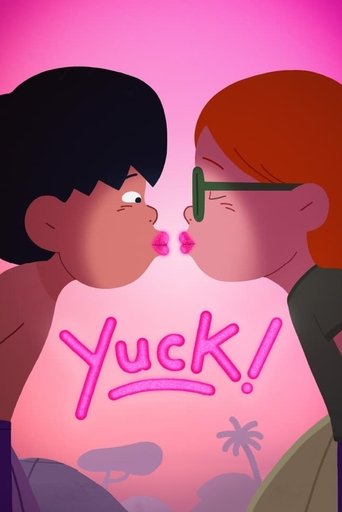
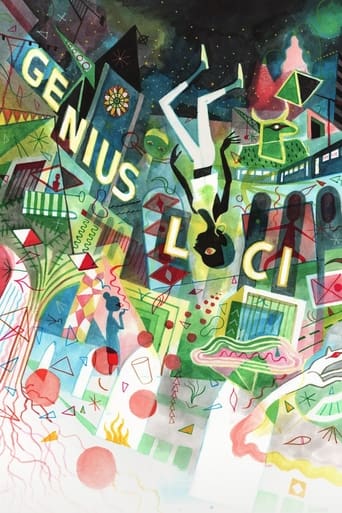
Newer shorts include Madagascar, a Journey Diary, Bastien Dubois' travel sketchbook come to life, nominated for an Oscar; Grandpa Walrus, Lucrèce Andreae's tender family comedy on a beach, which won a César; Hybrids, in which sea creatures adapt to a world of plastic waste; The Fox & the Bird, a Swiss story of a fox who raises a baby bird; Genius Loci, a city of dreams and colours; and Yuck!, Loïc Espuche’s summer comedy about kissing, glowing lips and children who find it all disgusting, nominated for an Oscar in 2025.
Shorts are ideal for a quick watch, for a class or for a film evening where everyone picks a favourite. Many are also available free on festival and school channels, and the Watch now button lists every official option.
Studios to know
Behind every film is a studio, and French animation has some remarkable ones. Belvision, founded in Brussels in the 1950s by the publisher Raymond Leblanc, brought Tintin, Asterix, Lucky Luke and the Smurfs to the cinema. Studios Idéfix, set up in Paris in 1974 by René Goscinny, Albert Uderzo and the publisher Georges Dargaud, was a short-lived but brilliant workshop that made Asterix and Lucky Luke features.
Folimage, founded by Jacques-Rémy Girerd in Valence in 1981, became a home for hand-drawn auteur films and family features, from Raining Cats and Frogs to A Cat in Paris and Nina and the Hedgehog's Secret. In Paris, Xilam made The New Adventures of Lucky Luke, Oggy and the Cockroaches and Go West; Les Armateurs produced the films of Michel Ocelot and Sylvain Chomet; and Marathon created Totally Spies! and Martin Mystery. Today, large studios such as Illumination's Paris branch, TeamTO, Cyber Group and Superprod sit alongside small independent workshops, and new regional studios have opened in Angoulême, Montpellier, Lyon, Toulouse and Roubaix.
Where the artists learn
France has some of the most respected animation schools in the world, and many of the short films on Anime-Sama began as student projects. Gobelins, l'école de l'image, in Paris, trains character animators who go on to work for the biggest studios in Europe and America. La Poudrière in Valence specialises in directing, MOPA in Arles in computer animation, and the École des Métiers du Cinéma d'Animation in Angoulême and the Émile Cohl school in Lyon have their own proud traditions. Belgium has KASK in Ghent and La Cambre in Brussels, and Switzerland the Lucerne school of art and design.
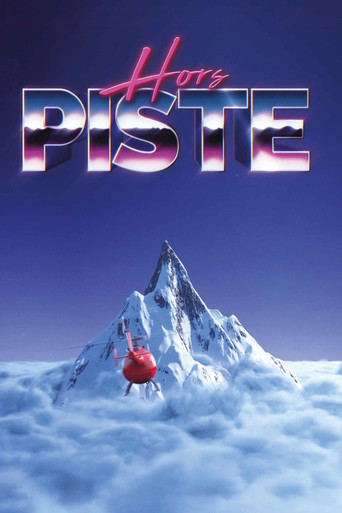
These schools explain why French animation looks so varied. Each graduation year brings a new wave of short films, and the best of them travel to festivals all over the world. Films such as Hybrids, Asteria and Off-Piste show the energy of this new generation.
The Annecy festival
Every June, the town of Annecy, on a lake in the French Alps, hosts the most important animation festival in the world. Founded in 1960, the Annecy International Animation Film Festival brings together artists, studios, students and fans from every continent for a week of screenings, talks and a huge industry market. Its top prize, the Cristal, is one of the highest honours in animation, and many of the films on Anime-Sama were shown there first, from Little Nicholas: Happy as Can Be to A Magnificent Life.
The festival is also a great way to discover new films. Each year's winners often arrive on streaming services and in cinemas the following year, so Annecy is a good guide to what to watch next.
Switzerland and Luxembourg
French-speaking Switzerland has a tradition of fine, handmade animation. Georges Schwizgebel paints his films frame by frame in Geneva, Claude Barras made the stop-motion features My Life as a Courgette and Savages, and the brothers Samuel and Frédéric Guillaume made the puppet feature Max & Co, about a young fox who arrives in a small town in search of his father, and the short The Fox & the Bird.
Luxembourg has become an important partner for French and Belgian films, with studios such as Mélusine and Zeilt. Co-productions such as The Adventures of Renny the Fox and Icarus show how animation in French-speaking Europe crosses borders with ease.
Africa and the wider French-speaking world
French animation has a long conversation with Africa. Michel Ocelot’s Kirikou films draw on the tales of West Africa, the music of Youssou N’Dour and the voices of Senegalese actors. Today, studios in Senegal, Côte d'Ivoire, Cameroon and Morocco are building their own animation industries, often working with French partners, and festivals such as Annecy welcome more African films every year.
The French-speaking world also includes Lebanon, Vietnam, Cambodia and many other places whose artists have studied and worked in France. Dounia and the Princess of Aleppo tells the story of a young girl from Syria who builds a new life in Canada, and In Waves continues this wide, open view of the world.
Through the eras
Anime-Sama is arranged so that you can travel through time. The Before 1980 shelf holds the pioneers and the first comic adaptations: Starewicz's puppets, the pinscreen of Alexeieff and Parker, Grimault's shorts, the Polish artists in Paris, the first Asterix and Lucky Luke films and Les Shadoks. Many of these films are short, and together they make a fascinating little film school.
The 1980 to 1999 shelf covers the golden age of French children's television and the great auteur features: The King and the Mockingbird, Time Masters, Gwen and the Book of Sand, the Gaumont Asterix films, the 1991 Tintin series and the Once Upon a Time… family. The Since 2000 shelf, the largest, holds the new wave of features and the prize-winning shorts of the film schools. Moving from one shelf to the next shows how the art has changed: from hand-cut paper and painted cels to computer animation, and back again to handmade techniques that many artists love today.
Animation is one of the friendliest ways to learn French. The stories are clear, the pictures help you follow, and the voices are often warm and well paced. Start with series for young children, such as Molang or Where's Chicky?, whose few words are easy to follow, then move to Once Upon a Time… Man, whose narration is clear and whose subjects you may already know.
A good method is to watch an episode first with subtitles in your own language, then again with French subtitles, and finally with French audio alone. Comic heroes such as Asterix are full of puns, so they are best kept for later, when you can enjoy the wordplay. Many services offer French audio and subtitles side by side, and the Watch now page shows which ones do. The French title of each film, listed on its page, is a useful first word to learn.
A film evening at home
French animation makes a perfect film evening. Choose a theme, such as the bande dessinée, the auteurs or a single country, and build a short programme: a short film to begin, a feature as the main course and another short to finish. Short films such as The Three Inventors or Blackbird make an excellent opening, and a feature such as The King and the Mockingbird or Sirocco and the Kingdom of Winds can follow.
For a family evening, let each person pick one title from a shelf, and save the list in My List so everyone can see it. Comic books from the library make a lovely companion: read an Asterix or Tintin album together, then watch its film. Children often enjoy comparing the drawings in the book with the animation on screen.
All the shelves
Anime-Sama has twelve shelves, each with its own page. The Catalogue holds every title, and Series and Films split it by format. Comics heroes gathers the adaptations of the bande dessinée, Once Upon a Time… collects Albert Barillé's series, Auteurs gathers the films of the great directors, Family features collects feature-length films since 1990 and Short films holds everything up to thirty minutes. Three shelves follow the eras, and Top rated lists the titles that viewers rate most highly.
Each shelf page shows its titles as cards, most popular first, with the same navy look as the home page rows. Every card opens the title page, and from there the Watch now button and the Add to My List button are one tap away.
Every title on Anime-Sama is chosen by hand. The editors start from the films and series made in French or by French and Belgian studios, then read each story and check its audience. The collection focuses on films for families, children, teenagers and curious adults: the comic heroes, the auteurs, the family features and the art of the short film.
The information on each page comes from TMDB, the community film database, and is kept fresh: new episodes, new films and new posters arrive as the database grows. The guides and help pages are written by the Anime-Sama team, and new titles join the collection as they are released.
Watching today
French and Belgian animation reaches viewers through many doors. Public broadcasters in France, Belgium, Switzerland and Canada carry many series and features on their own catch-up sites; subscription services have large children's sections; digital stores sell and rent the classics and the new releases; and free services with adverts show a good share of the older series. Libraries and cinematheques add another layer, with DVDs to borrow and special screenings.
Because rights are sold country by country, the list of services for a title in Belgium can look quite different from the list in the United States or Australia. The Watch now button handles this for you: it uses the country you choose and opens JustWatch with the offers for that country alone. If you move or travel, change the country in the selector and the list follows you.
Anime-Sama is a guide, so the films themselves always play on the services that hold the rights. Watching there supports the studios, the artists and the schools that keep this tradition alive, and it gives you the best picture and sound.
For first-time visitors
Welcome to Anime-Sama. If you have a minute, search for a hero you loved as a child; if you have an hour, follow one of the routes above; if you have a whole weekend, pick a shelf and watch it from start to finish. Keep your discoveries in My List, share your favourites with friends and come back when the Latest films row shows a new arrival. French animation has more than a century of treasures to offer, and every one of them is a click away.
Questions
What is Anime-Sama?
Anime-Sama is a guide to French and Belgian animation, from the comic heroes Asterix, Tintin and Lucky Luke to the films of Paul Grimault, Michel Ocelot and Jean-François Laguionie, with a Watch now button for every title.
What does bande dessinée mean?
Bande dessinée, often shortened to BD, is the French name for comics. The Franco-Belgian bande dessinée gave the world Tintin, Asterix, Lucky Luke, the Smurfs, Spirou and many more heroes.
What does dessin animé mean?
Dessin animé is the French term for an animated cartoon, literally a drawing brought to life.
Which Asterix film should I watch first?
Asterix and Cleopatra is the favourite of many fans, and Asterix the Gaul follows the very first album. Both are fine places to begin.
Is Le Roi et l'Oiseau the same as The King and the Mockingbird?
Yes. The King and the Mockingbird is the English title of Paul Grimault's Le Roi et l'Oiseau, and the search box understands both names.
Which titles suit young children?
Molang, Where's Chicky?, Oscar's Oasis, Yakari: A Spectacular Journey, Ernest and Celestine: A Trip to Gibberitia and Kirikou and the Men and Women are ideal for young children.
How does the Watch now button work?
Choose your country and press Watch now. JustWatch opens with the subscription, rental, purchase and free services that carry the title in that country.
How do I save titles for later?
Press Add to My List on any title page. My List lives in your browser and can be exported to a small file for another device.
What is the Annecy festival?
The Annecy International Animation Film Festival, founded in 1960 in the French Alps, is the most important animation festival in the world; its top prize is the Cristal.